 MyAgentFace
Blog · Guide · Podcast Producer
How to Start a Podcast: From First Idea to First Episode
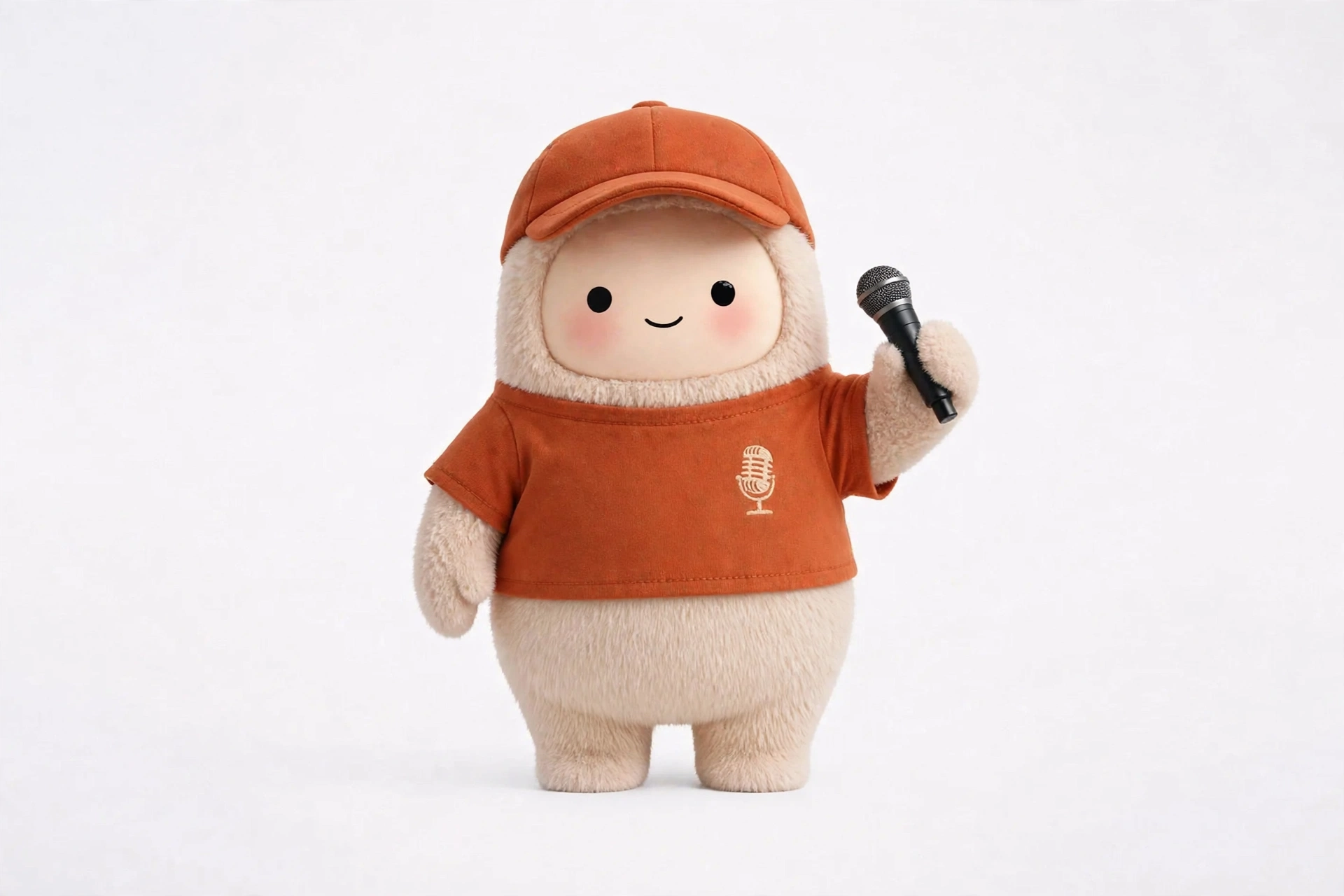
How to start a podcast begins with one listener and one promise
Most people who search how to start a podcast picture equipment first. Equipment is the easy part. The shows that survive past episode seven start somewhere else: with one listener they can picture — a new freelancer, a night-shift nurse, a dad learning to cook — and one promise that listener can rely on: ten minutes every Tuesday that make the commute less boring, or one honest story a week about running a tiny shop. If you cannot say who it is for and what it reliably gives them, no microphone will fix that.
Pick the format that fits the promise. Solo shows are simplest to schedule and hardest to make lively. Interviews borrow the guest's energy and audience but add booking work. A co-host splits the work and the talking. There is no best format — there is only the one you can still be doing in six months, on your worst week. Start there, and let the first ten episodes be practice you publish, not a launch you perform.
The gear list is shorter than the internet says
You can record a respectable first episode with a phone, a pair of wired earbuds and a quiet room full of soft things — a parked car and a closet of clothes are both famous first studios. A basic USB microphone is the one upgrade worth making early, because it plugs straight into a laptop and forgives a lot of room echo. Record a one-minute test, listen back on the earbuds your listeners will use, and fix the biggest problem you hear — usually distance from the mic, not the mic itself.
Editing software can be free: most laptops ship with something workable, and free editors handle cutting, leveling and exporting fine. What you are editing for is clarity, not polish — cut the long silences, the false starts and the tangents, keep the warmth. Perfection is the most common reason podcasts die at episode three.
Plan the first three episodes before you record any of them
Write a one-page outline for each of your first three episodes before you touch record: the hook (the sentence that earns the next sixty seconds), two or three beats, and the close. Record a short episode zero — a trailer — that says who you are, who the show is for and when episodes land. Then release the first real episode within a week of the trailer, while your own enthusiasm is still doing half the work.
- Name the listener and the promise in one sentence each — tape them above your desk
- Choose a name and check it is not already a show, a brand or a trademark (the USPTO search linked below is free)
- Record and publish a trailer before you announce anything to anyone
- Outline three episodes, record episode one this week, edit for clarity only
- Pick a publishing host, which gives your show its feed, and submit the feed to the listening apps
- Set a cadence you can keep on a bad week — weekly is a promise, fortnightly is a smaller one
Names, music and the two legal bits nobody mentions
Two honest warnings. First, names: a podcast name that copies an existing brand can earn you a takedown or a legal letter, so search the free federal trademark database linked below before you fall in love with a title. Second, music: you cannot legally use commercial songs as your theme just because the clip is short. Use music you made, public-domain recordings, or tracks licensed for podcasts — the U.S. Copyright Office site linked below explains the basics in plain language. Getting these two things right at the start is much cheaper than rebranding at episode forty.
How the Podcast Producer keeps a solo show running
On MyAgentFace, the Podcast Producer is a ready-made agent built for the part that actually kills podcasts: the weekly pipeline after the launch high fades. Paste its prompt into Muse and it holds your show's promise, builds each episode's outline from your notes, drafts show notes and titles while the episode is fresh, and plans next week's topic from what listeners asked. Its whole job is how to start a podcast as a habit instead of an event. Once the show exists, our guide to running a podcast solo goes deeper on the episode pipeline — recording, notes and publishing as one repeatable loop. Not sure which face fits your project? The Find Your Face quiz takes five questions.
Every podcast you admire was once a person in a quiet room, slightly embarrassed, pressing record anyway. The distance between them and you is not talent or gear — it is episode one, published. Make it this week, make it small, and let episode ten be the one that is good.
Helpful links & resources
- USPTO — Trademark basics — The U.S. Patent and Trademark Office's plain guide to trademarks, with the free search to check your show's name before you build on it.
- U.S. Copyright Office — copyright.gov — The federal copyright site: what is protected, how music and recordings may be used, and how to register your own work.
Podcast Producer
Your podcast, produced: topics, outlines, show notes — an episode out every week.
Epic · 100 coins — its full prompt (personality, job, schedule) is ready to paste into Muse.
New faces every week
Join the list — new faces and drops, first to know. No spam, ever.
More guides
All blog posts → AI Assistant for ADHD Mornings: What It Actually DoesAn AI assistant for ADHD mornings turns a chaotic start into one first step at a time, with a timed sequence and a calm re-plan when you drift.Guide · ADHD Morning CoachRead
 The Personal Trainer Who Texts You First: How a Daily AI Gym Buddy WorksAn AI personal trainer picks today's workout, fits it to your time and energy, and texts first — so the hardest part, deciding, is already done.Guide · Gym BuddyRead
 Ready-Made AI Agent vs Writing Your Own Prompt: An Honest Comparisonready-made AI agent vs writing your own prompt, compared honestly: control, cost and upkeep, with a startup cofounder as the worked example.Guide · Startup CofounderRead