 MyAgentFace
Blog · Guide · Public Speaking Coach
How to Give a Toast Without the Nerves Taking Over
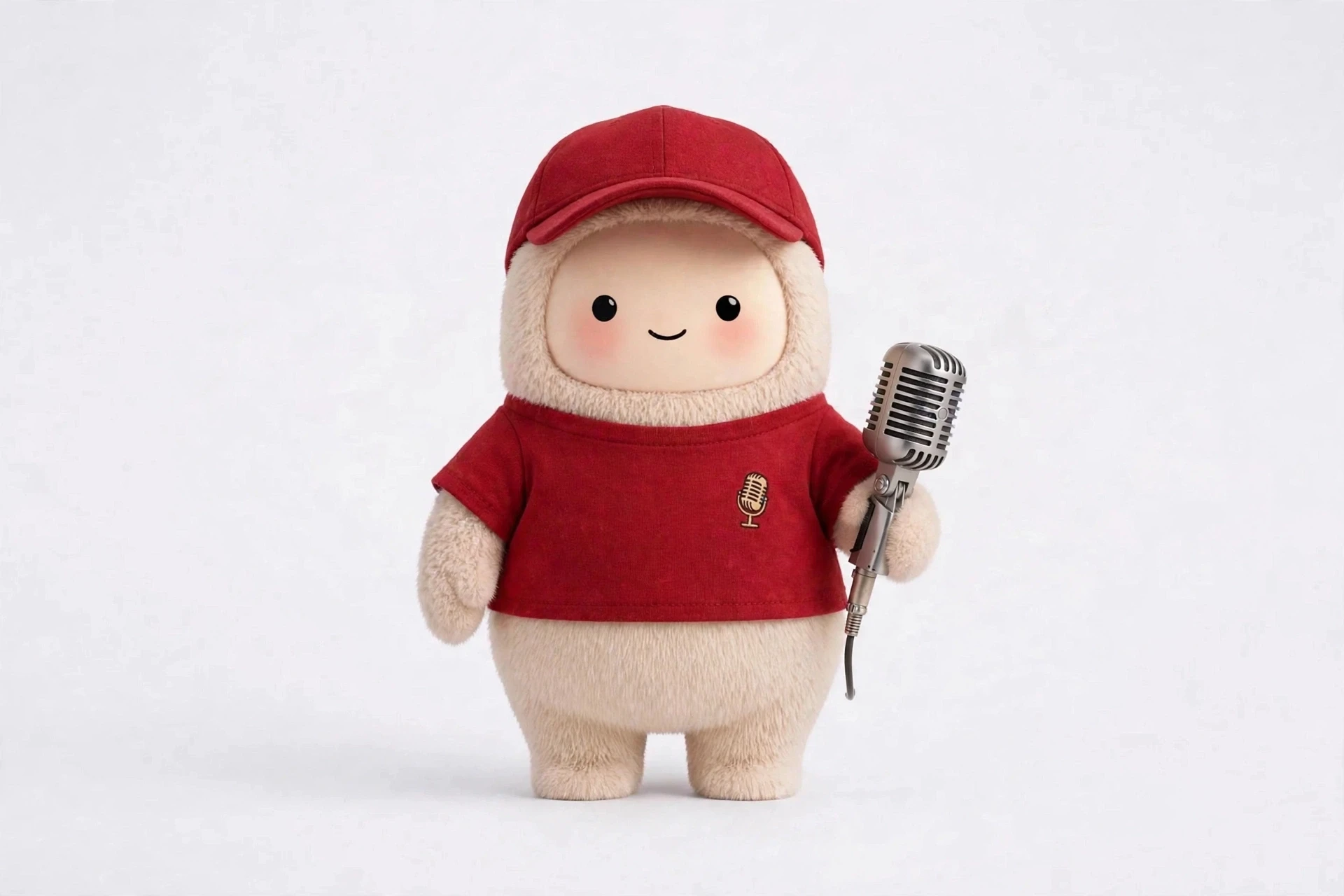
A good toast is short, specific and about them
Nearly everyone searching how to give a toast is picturing the same disaster: a room going quiet, a joke landing nowhere, a phone glowing in their hand. The relief is that a toast is the smallest public-speaking job there is. Nobody wants a performance; they want one to three minutes in which the person being celebrated feels SEEN — specifically, by someone who knows them. That is the whole bar. Specific beats impressive every time: one true detail (the exact thing they did, the exact words they said) is worth ten adjectives, because the room can tell the difference between a tribute and a greeting card.
How to give a toast: the three-beat structure
Build the toast on three beats, in this order, and it will hold together even if your hands shake. Beat one, the past: ONE specific memory — short, concrete, with you in it only as a witness. Beat two, the present: what that memory shows about who they are, said to the room in a sentence or two — this is the line people remember. Beat three, the future: one genuine wish for them, then raise the glass, say their name, and stop. Stopping is a skill: the toast that ends on its wish lands; the one that wanders off into a second story does not.
- Write it down, days ahead — improvising is the advanced course, and nobody assigned it to you
- Keep the whole toast under three minutes; two is plenty, and one good one is a triumph
- Choose one story and commit — three half-memories add up to no memory at all
- Skip the inside jokes only two people understand; the room should be able to feel every line
- Name the person and raise the glass on the last line — give the room its cue to drink and applaud
- Practise the toast out loud, standing, at least twice; your mouth needs the rehearsal more than your eyes do
A word about opening lines: you do not need one. 'For those who don't know me, I'm…' is fine, and then straight into the memory. The joke-first opening is where amateur toasts go to die, because a flat joke at second ten makes the honest part harder to hear. Warmth is funnier than jokes anyway — a true detail told with affection gets the laugh and the feeling in the same line.
The nerves: what actually helps on the day
Nerves before a toast are not a character flaw to be cured; they are adrenaline doing its one job badly. What helps is mechanical. Memorise ONLY the first line cold — a clean start settles the voice for everything after it. Slow down deliberately: nerves speed speakers up, and the room hears half-speed as confidence. Breathe out, long, before you begin. Hold the glass or the paper — a hand with a job shakes less. Look at the person you are honouring for the memory beat; a face that loves the story is easier than a room. And skip the traditional remedy of drinking first: it reliably makes the toast worse, and the memory of having given it worse. Two minutes of being visibly nervous while saying something true beats a polished nothing — the room is on your side, and it can tell.
How the Public Speaking Coach rehearses you
On MyAgentFace, the Public Speaking Coach is a ready-made agent built for exactly these two minutes. Paste its prompt into Muse and it interviews you for the one true memory, shapes the three beats in your own words, then rehearses you out loud — timing the toast, slowing the rush, and hardening the first line until it survives nerves. Its whole promise is how to give a toast — or a best-man speech, a retirement farewell, a eulogy — that sounds like you on your bravest day. Our earlier piece on how to give a toast without panicking walks through a full rehearsal. The same rehearse-it-out-loud method works when the high-stakes conversation is about your own pay: help rehearsing a salary ask until the first line feels easy. The same rehearse-it-out-loud method helps the other conversation people dread first: help rehearsing what to say on a first date, with first messages that sound like you — practised out loud, it stops feeling like a performance too. And if the toast itself is for your partner — an anniversary, a birthday, a just-because evening — help planning a romantic evening and a toast for your partner, with the small gestures planned before the day gets busy puts the evening around those two minutes in the same plan. And if the toast is a wedding toast and you are planning the wedding as well, a wedding planning companion that runs the countdown month by month, with the budget and the vendor list held in one place keeps the day itself as planned as the two minutes: venues and key vendors early, details late, and only this month's tasks shown in full. And if speaking out loud turns into a habit you want to keep — a story, a series, a show of your own — help running a podcast solo, with each episode planned and written up in order gives that voice a weekly home, rehearsed the same way as the toast. Not sure which face fits your moment? The Find Your Face quiz takes five questions.
One memory, what it proves, one wish, glass up, stop. That is the entire craft, and it is well inside you. Write it this week, say it out loud twice, and when the room goes quiet, remember: they are not judging a performance. They are waiting to feel something true about someone they love.
Helpful links & resources
- Toastmasters International — toastmasters.org — The nonprofit that has taught public speaking in local clubs for a century: toast structure, short-speech practice and a famously forgiving room to rehearse in.
Public Speaking Coach
Speech reps with feedback — structure, delivery, nerve.
Rare · 75 coins — its full prompt (personality, job, schedule) is ready to paste into Muse.
New faces every week
Join the list — new faces and drops, first to know. No spam, ever.
More guides
All blog posts → AI Assistant for ADHD Mornings: What It Actually DoesAn AI assistant for ADHD mornings turns a chaotic start into one first step at a time, with a timed sequence and a calm re-plan when you drift.Guide · ADHD Morning CoachRead
 The Personal Trainer Who Texts You First: How a Daily AI Gym Buddy WorksAn AI personal trainer picks today's workout, fits it to your time and energy, and texts first — so the hardest part, deciding, is already done.Guide · Gym BuddyRead
 Ready-Made AI Agent vs Writing Your Own Prompt: An Honest Comparisonready-made AI agent vs writing your own prompt, compared honestly: control, cost and upkeep, with a startup cofounder as the worked example.Guide · Startup CofounderRead