 MyAgentFace
Blog · Guide · Creative Muse
Beat Creative Block With a Daily Spark: One Small Prompt a Day
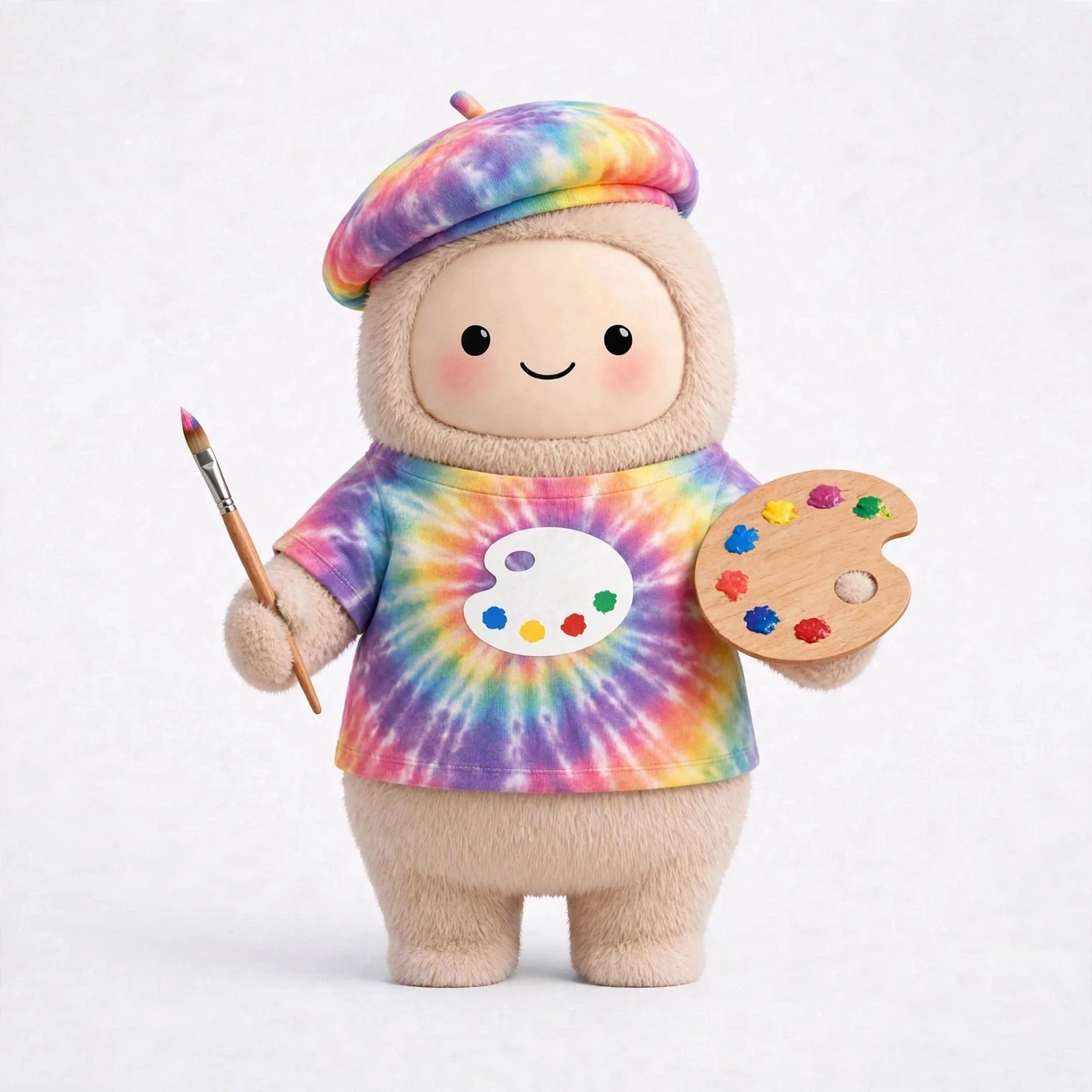
Beat creative block with a daily spark: why small beats inspiring
If you are trying to beat creative block with a daily spark, you have probably already tried the other way: waiting to feel inspired, saving motivational quotes, and promising yourself a big clear day that never quite arrives. Creative block rarely means you have run out of talent or ideas. More often it means the next step feels too big, too vague, or too easy to judge before you have even started. A blank page asks you to invent everything at once — the idea, the start, and whether it is any good — all in the same minute.
A daily spark breaks that logjam by making the ask tiny and specific. A spark is one prompt, one constraint, or one wild what-if matched to what you are actually making — a line to start from, a limit to work inside, or a small move you can finish in about 15 minutes. You are not trying to finish the project today. You are trying to make one real thing today, however rough, so tomorrow you are editing something that exists instead of staring at something that does not.
What counts as a spark — and what does not
A good spark is specific enough to start in the next two minutes and small enough to finish before your inner critic wakes up properly. 'Be more creative' is not a spark. 'Write the last scene first, in five lines' is. 'Get inspired' is not a spark. 'Take yesterday's sketch and redo it using only three shapes' is.
- A constraint: one colour, one chord change, 100 words, no adjectives — limits give your brain something to push against
- A starting trick: begin with the ending, the middle, or the line you would normally save for later
- A remix: take an old, abandoned idea and change one thing — the setting, the voice, the size, or who it is for
- A borrowed structure: copy the shape of a piece you love — its opening move, its rhythm, its layout — and fill it with your own material
- A real detail: use one true thing from your own week — an overheard phrase, a photo on your phone, a place you keep passing — as the seed
Notice what every spark on that list has in common: it can be done badly, quickly, and on purpose. The rough version is not a failed version. It is the raw material the better version is made from, and on blocked days it is also proof that you still showed up.
A week of daily sparks, in practice
Here is an illustrative week for someone chipping away at a personal project in short sessions — adapt the sparks to whatever you are making, whether that is writing, drawing, music, photos, or a small business idea that needs fresh angles:
- Monday — start at the end: write or sketch the final moment first, then stop; tomorrow has somewhere to aim
- Tuesday — add a constraint: remake yesterday's piece with one element removed or one strict limit added
- Wednesday — connect two old ideas: pick two fragments from your notebook or camera roll that were never meant to meet, and put them in the same piece
- Thursday — steal a structure: take a favourite song, story, or picture and borrow only its shape, not its content
- Friday — make the ugly version on purpose: 15 minutes, no deleting, no fixing — done counts more than good today
- Weekend — show one thing: share a draft, a photo of the work, or a work-in-progress note with one person or one small audience, then log what you learned
Two things make a week like this work. First, keep a simple spark bank and a done list: write down sparks you did not use and pieces you finished, however small. On the next blank day, you do not start from nothing — you start from your own bank. Second, let sparks come from the world as well as from prompts: free public collections like the Library of Congress Free to Use sets and Smithsonian Open Access are full of old photos, posters, and objects you can legally reuse as a starting point, and a real image from another era is often a better spark than another pep talk.
The rules that keep the spark habit alive
Keep the session short enough that you cannot talk yourself out of it — 15 minutes is the working unit, and you can always keep going once you have started. Do not judge a piece on the day you made it; judging and making are different jobs, and doing both at once is how blocks are built. Remember your projects out loud somewhere — a note, a list, a running log — because the best sparks often come from connecting an old idea to a new one, and that connection is easy to miss when everything lives only in your head. And when a spark flops, keep it anyway: a failed attempt still tells you what you do not want, and the weird drafts are, more often than you would expect, where the good material hides.
How the Creative Muse delivers your daily spark
On MyAgentFace, the Creative Muse is a ready-made agent built around exactly this method. Paste its prompt into Muse and every day it brings you one spark — a prompt, a constraint, or a wild what-if matched to what you are making. When you are blocked, it does not offer motivation posters; it gives you a tiny, fun next move you can finish in 15 minutes. It remembers your projects, characters, and ideas, and surprises you later by connecting them, and it works as a collaborator, not a critic — the weird drafts get celebrated, because that is where the good stuff hides.
It pairs naturally with the Songwriting Partner when the project is a song you are stuck on, and with the Creator Coach if you post your work every day and need fresh angles on a schedule. If the real problem is not ideas but follow-through, the Boss Mode accountability style can keep the daily session honest. Not sure which face fits what you are making? The Find Your Face quiz takes five questions, or browse the full library of faces.
You do not need a bigger imagination. You need a smaller next step, taken daily. Pick one spark from this page, give it 15 honest minutes today, and let the finished rough thing — not a perfect plan — be the start of the next one.
Helpful links & resources
- Library of Congress — Free to Use and Reuse — Sets of public-domain photos, posters, maps and other items from the Library of Congress that you can download and reuse freely — rich, legal starting material for a daily spark (checked 200 before shipping).
- Smithsonian Open Access — Millions of images and data from Smithsonian museums, free to download, transform and share without permission — a deep well of visual prompts for creative projects (checked 200 before shipping).
- U.S. Copyright Office — copyright.gov — Official basics on what copyright protects and how to register your own finished work — worth checking once a spark becomes a piece you want to share or sell (checked 200 before shipping).
Creative Muse
A daily spark for whatever you're making.
Rare · 75 coins — its full prompt (personality, job, schedule) is ready to paste into Muse.
More guides
All blog posts → AI Assistant for ADHD Mornings: What It Actually DoesAn AI assistant for ADHD mornings turns a chaotic start into one first step at a time, with a timed sequence and a calm re-plan when you drift.Guide · ADHD Morning CoachRead
 The Personal Trainer Who Texts You First: How a Daily AI Gym Buddy WorksAn AI personal trainer picks today's workout, fits it to your time and energy, and texts first — so the hardest part, deciding, is already done.Guide · Gym BuddyRead
 Ready-Made AI Agent vs Writing Your Own Prompt: An Honest Comparisonready-made AI agent vs writing your own prompt, compared honestly: control, cost and upkeep, with a startup cofounder as the worked example.Guide · Startup CofounderRead